Alumni Enterprise Day 3.0: Building to Last
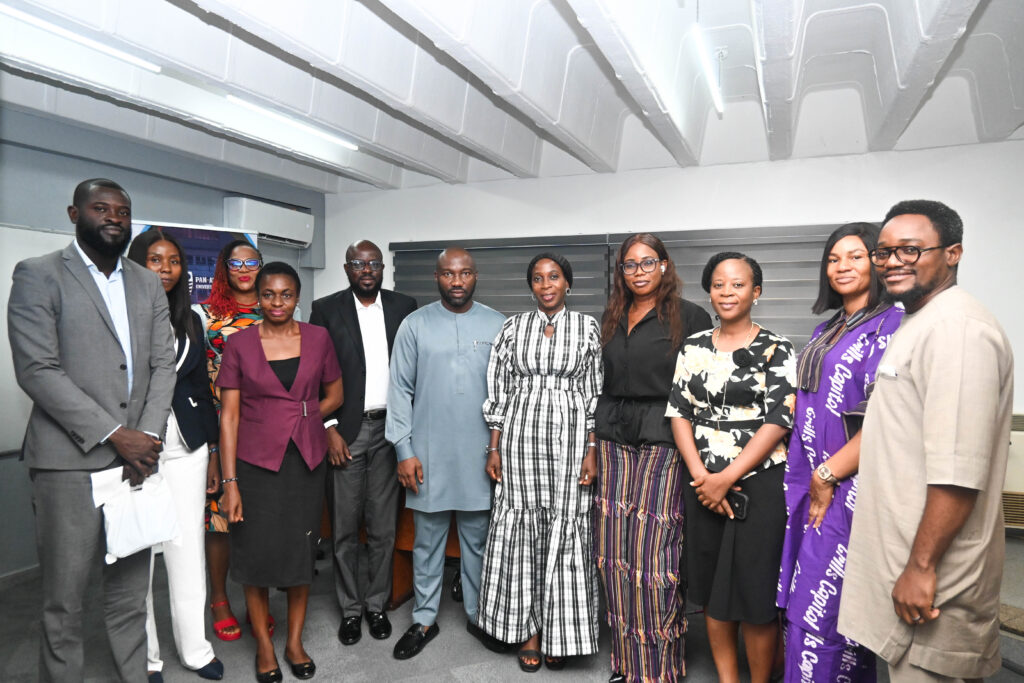
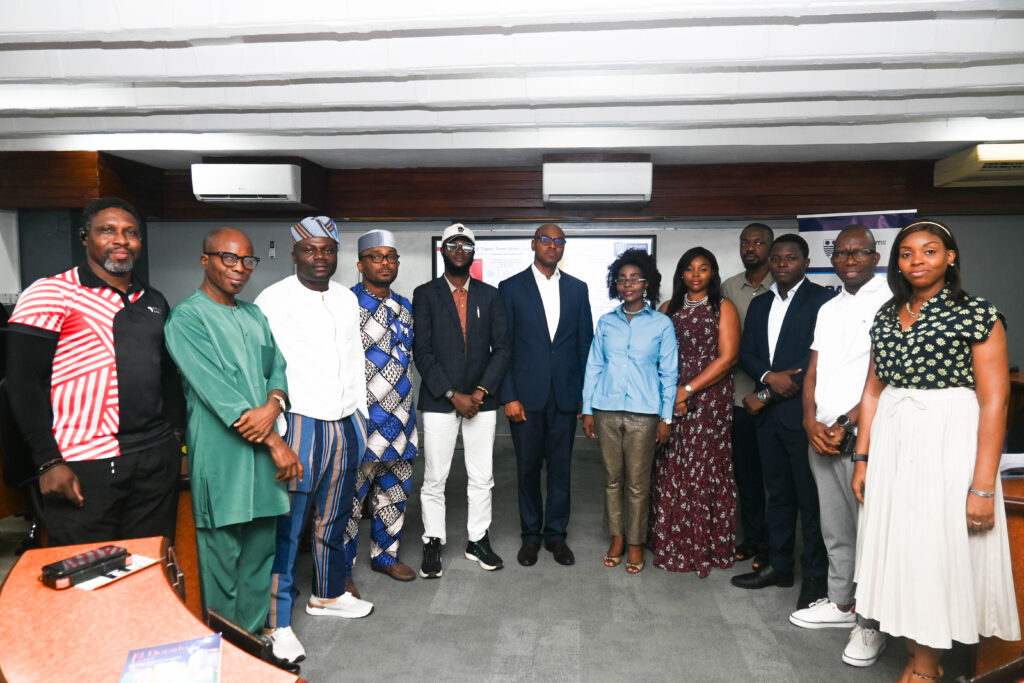
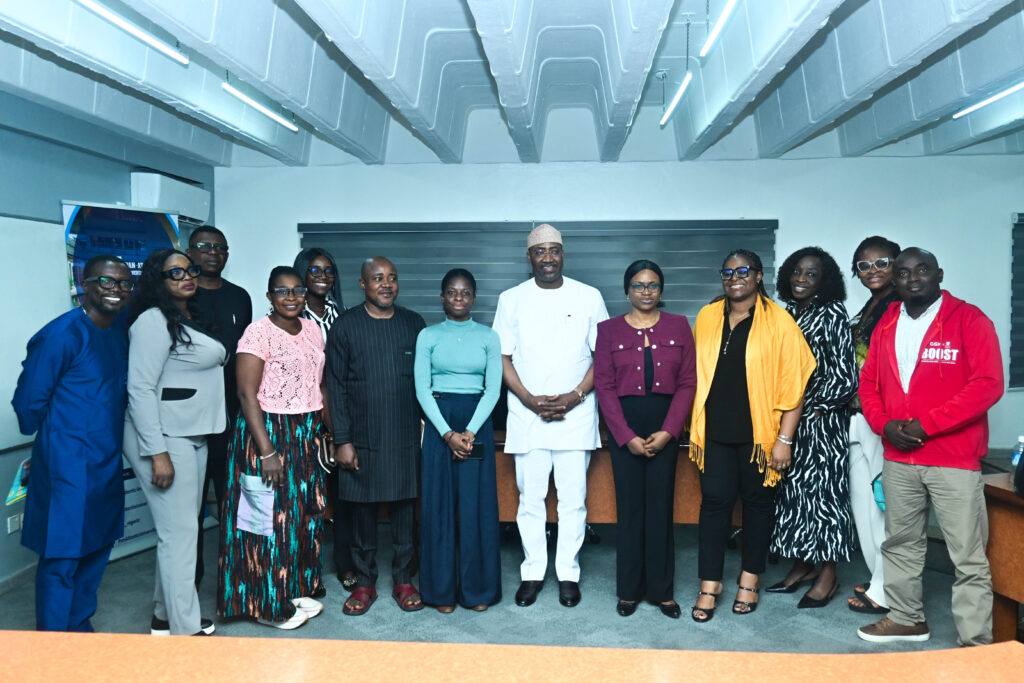
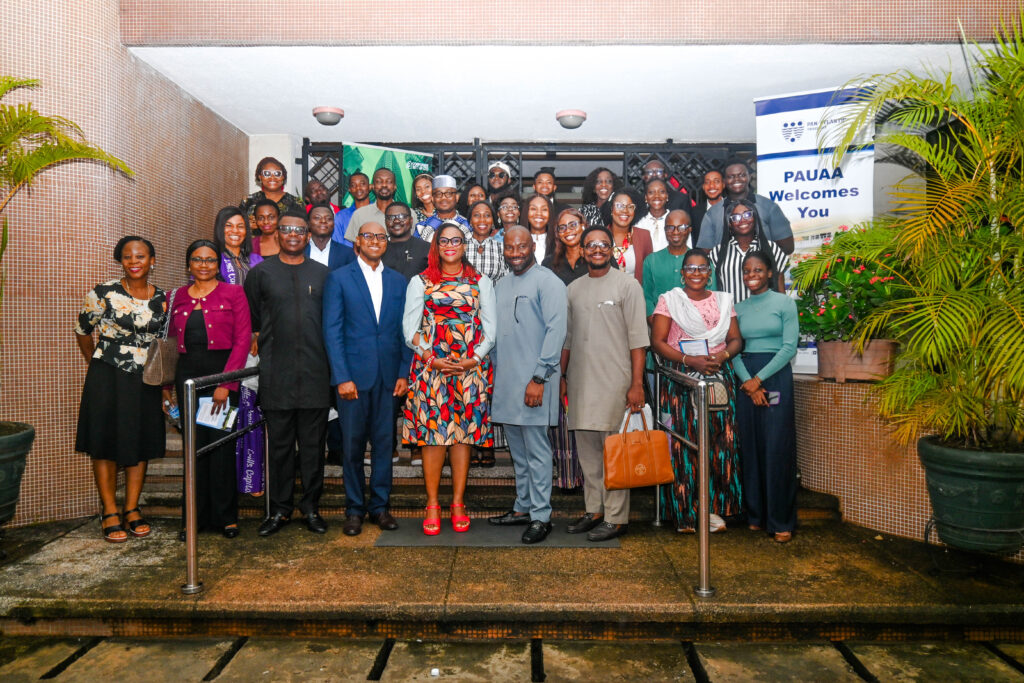
There is a difference between a business that grows and a business that lasts. That distinction sat at the heart of everything that unfolded at Alumni Enterprise Day 3.0, hosted by the Pan-Atlantic University Alumni Association on Friday, 19 June 2026, at the ECS Professional Centre, Victoria Island, Lagos.
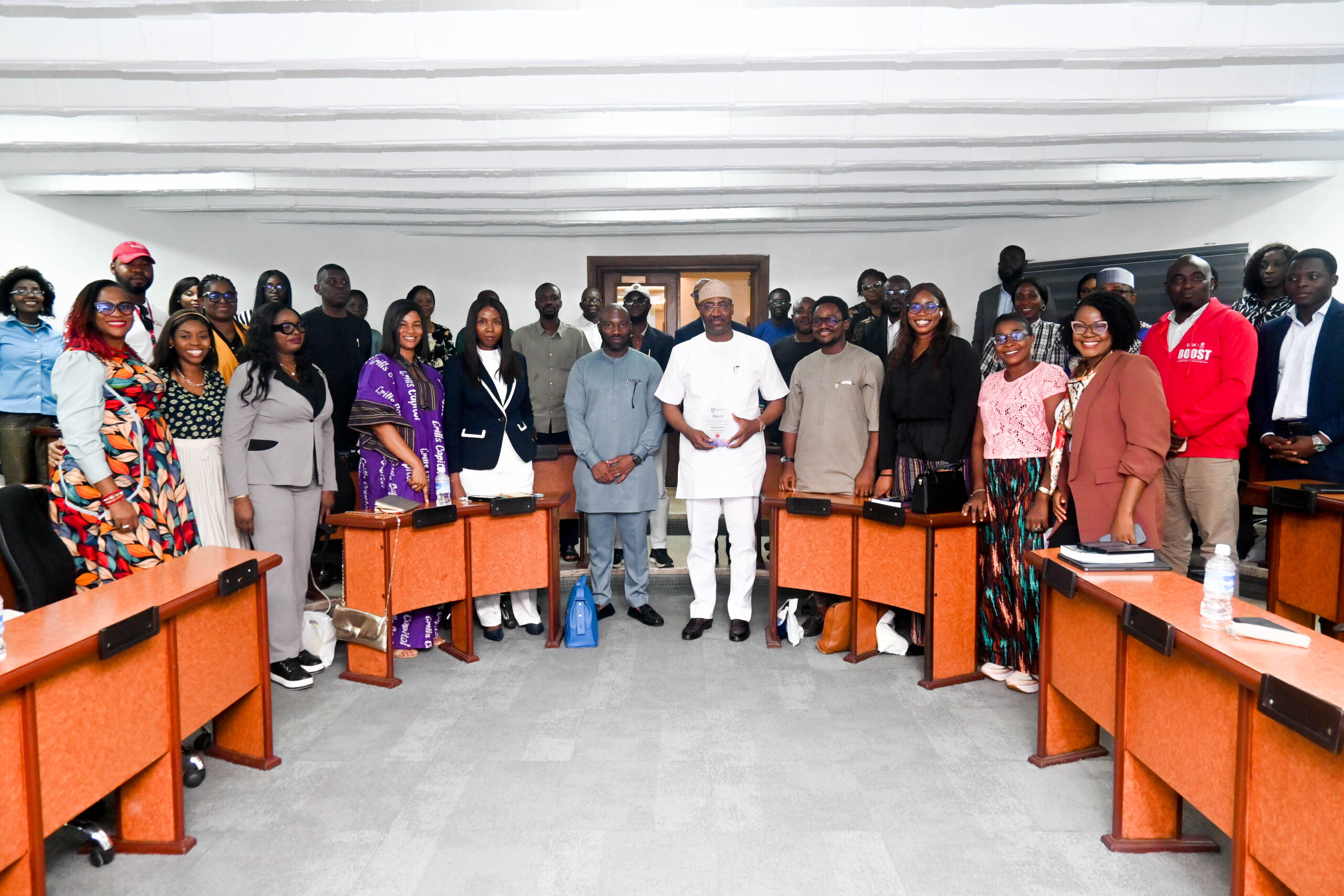
Now in its third edition, Alumni Enterprise Day has grown into one of the most anticipated gatherings on the PAUAA calendar. This year’s theme, Building to Last: Mastering the Finance, Talent, and Strategy of Sustainable Growth, set the tone for a day that went far beyond inspiration. It was a day of honest, practical, high-level conversation between alumni entrepreneurs who are in the thick of building real businesses in one of the most demanding economic environments in the world.
The event was anchored by Peter Osilike, a PAU alumnus from the Mass Communication Class of 2020, who brought effortless energy and professionalism to the role of master of ceremonies. His warmth and wit kept the room alive throughout the day, and his presence on that stage was itself a quiet testament to what the PAUAA community continues to produce.
The keynote address was delivered by Dr. Oluseyi Oladapo, Group Finance Director at Pan Ocean Oil Corporation Nigeria Ltd and Newcross Group. With over 25 years of C-suite experience across corporate finance, business strategy, risk management, and corporate governance, Dr. Oladapo brought a rare combination of academic rigour and real-world authority to the conversation. Trained at Harvard, Wharton, and Berkeley, and holding a PhD in Credit Management alongside multiple professional fellowships, he approached the theme of sustainable growth not as a concept but as a discipline. His address set a standard for the rest of the day, grounding every subsequent conversation in the weight of what it truly takes to build something that outlasts the conditions in which it was created.
Following the keynote, attendees dispersed into three breakout sessions, each designed to tackle one of the three pillars that the theme promised to address: finance, talent, and strategy. Each session was intimate by design, creating the kind of environment where real questions could be asked and real answers could be given.
The Scaling and Sustainable Business Growth session facilitated by Dr. Oluseyi Oladapo confronted one of the most persistent misconceptions in the entrepreneurship space, which is the idea that growth and scaling are the same thing. They are not. Growing means adding more resources to generate more revenue. Scaling means multiplying revenue without proportionally increasing costs. The distinction sounds simple until you sit in a room and realise how many businesses are doing the former while believing they are doing the latter. The session walked attendees through the Five Pillars of Sustainable Scaling, covering strategic clarity, financial scalability, operational excellence, people and leadership, and innovation. It introduced the SCALE Framework as a practical tool for building an institution rather than just a business, and it closed with a 30-90-365 day implementation roadmap that gave every person in the room something concrete to act on the following Monday. The question that lingered longest was this: does your business work if you disappear for a month? For many founders in that room, the honest answer was no. That honesty was the point.
The Access to Funding session, facilitated by Andrew Esene, AVP and Head of Investments at FCSL Asset Management Company Ltd, brought 18 years of deep expertise in corporate finance and investment management into direct conversation with the funding realities facing Nigerian SMEs. Andrew has been at the centre of transactions that have raised over six trillion naira for businesses through equity and debt instruments in the Nigerian capital market, and he brought that lived experience into a session that refused to be theoretical. The conversation covered the full SME funding landscape in Nigeria, from personal savings and commercial banks to equity investors, local debt capital markets, and crowdfunding platforms. It introduced the CONTROL Framework as a decision-making tool for choosing between debt and equity, helping entrepreneurs think through cost of capital, ownership implications, repayment capacity, and long-term exit strategy in a structured way. It also introduced the INVEST Framework, a scorecard that allows founders to honestly assess their investment readiness across six dimensions. The session was direct about something many entrepreneurs prefer not to hear: scaling a loss-making model does not solve the problem. It accelerates it. Before any growth lever is activated, the unit economics must work.
The People Management and Human Capital Development session, facilitated by Somto Ogbonna, Senior Project Manager at Hugo, may have been the one that hit closest to home for the most people in the room. Somto opened with a deceptively simple icebreaker called Fire or Train, in which he read workplace scenarios aloud and asked attendees to raise their hands for one of two responses. The exercise unlocked something in the room almost immediately, because the scenarios were not hypothetical. They were the exact situations every entrepreneur in that space had either already faced or was currently navigating. The session then built toward a framework that offered a clear rule for every people decision a founder has to make: a skill gap calls for training, while a will gap calls for managing out. It covered the Performance and Trust Matrix, the three non-negotiables of people management, and the often-avoided conversation about what happens when a founder must transition from being the person who does the work to being the person who leads the people who do the work. The line that stayed with the room was straightforward and unsparing. You cannot scale what only you can do.
Across all three sessions, a common thread emerged. The businesses that last are not always the fastest or the most ambitious. They are the ones that are built with intention, with systems that outlive the founder’s involvement, with people who are empowered to own their work, and with capital structures that are aligned to the stage and vision of the business. Building to last is not a passive outcome. It is a daily decision.
Alumni Enterprise Day 3.0 was a reminder that the PAUAA community is not simply a network of people who attended the same university. It is a community of builders who share a common foundation and a common ambition: to create things that matter, in ways that endure. The conversations that began in that room on Friday did not end when the event closed. They are continuing in business decisions being made differently because of something that was said in a breakout session at Enterprise Day 3.0.